Fishing with a micro-jig is great for triggering strikes in most conditions. The benefit for using a micro-jig is the versatility that it provides in finding and triggering trout strikes from small streams to deep lakes.
For fishing streams, cast the micro-jig quartering upstream and keep a straight line as the micro-jig goes into moving water. Keeping a straight line will allow the angler to feel slight pressure as a trout takes the lure. These micro-jigs are also known for triggering aggressive hits from trout so a short, quick hookset is all that is needed to begin the fight.
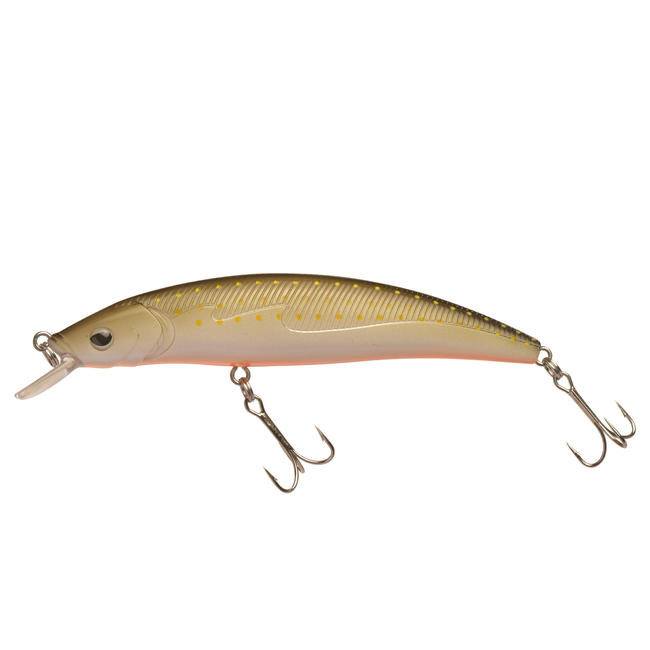
Fishing a lake with a micro-jig is first about finding the trout and then fishing the micro-jig properly. When fishing a lake during the heat of the day look for the dark color patches on the surface that indicate pockets of deeper water that are common to hold school-up trout. For early morning and evening casts, fish the shallower coves as trout are feeding off the surface. If the lake has recently been stocked with large trout, these trout will naturally move to shallow waters which are similar surroundings to what they are used to in the hatchery. As they adapt to their environment, these trout will move to deeper waters.
Another general tip to catching trophy size trout with micro-jigs is to make a long cast in front of the dimple created by trout near the surface and slowly bring in the micro-jig across the ripples. This will often entice a feeding trout to strike.
The key to the technique of fishing a micro-jig is to cast long utilizing a weighted bobber to help gain distance with a light test line and let the micro-jig sink. Most strikes occur as the jig is dropping. Slowly reel in and allow the jig to drop. Continue this sequence slowly and allow the jig to entice a strike with the dropping motion. The slow activity will also allow trout to get a look at the jig and take it.