Fishing lures come in a variety of sizes, shapes and weight and are designed to resemble a prey fish through movement.
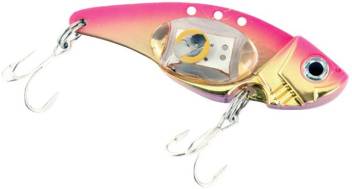
Fishing lures work on all predatory fish but based on the fish species, water condition and depth, some types of fishing lures are better than others. When determining the type of fishing lure to choose from – consider the following in order:
- Depth Control
- Speed Control
- Vibration
- Shape
- Size
- Color
- Sound
- Scent
- Taste
Depth control should always be the number one consideration when selecting a lure. Achieving the desired depth and staying within that feeding zone is key to opening that door to trigger a strike from a fish. Depth control applies to all types of lures such as surface lures, spoon lures, plugs, spinner baits, swim baits and jigs. Utilizing weighted lure bodies or sinkers attached to the lure are methods to achieve different depths.
Speed control works hand in hand with depth control. Controlling depth with the speed of your line is dependent on the type of lure you are using and changes from type to type. Speed up a spinnerbait or a sinking jerkbait and these lures rise up while slowing down the speed results in these lures diving deeper. Speed up a crankbait and it will dive deeper while slowing down the retrieve speed results in it rising. Speed also pertains to how you swim the fishing lure. Varying the speed of the retrieve creates vertical action as the lure rises and drops. The speed also creates varying effects of swim motion based on the design of the fishing lure. So knowing how to effectively swim the fishing lure by controlling line speed is crucial in getting a bite or just a swim-by.
Vibration is caused when water is moved and the action of a fish’s tail as it pushes its body through the water creates movement of water. Vibration is highly important as fish can feel the bait fish swimming and can even identify the type of bait fish by its vibration. Bait fish have unique vibration signatures as determined by the size and shape of the bait fish. Selecting a fishing lure that mimics the vibration of the popular prey fish in the body of water will attract fish from all around to the fishing lure. The appeal of a fishing lure color is lost up to this point as fish would not have even seen the color unless the lure happened to move in front of the visual range of the fish. Vibration will bring the fish to your lure as they are interested and curious to find out what is creating that vibration. In murky and cloudy water conditions, color has even less effect on triggering a strike.
Depth, Speed and Vibration are the three most influential element of determining which type of fishing lure to use. Depending on the water temperature, season, time of day, water conditions, fish will behave differently and using the right fishing lure to meet those conditions will improve your fishing success rate. The remaining elements such as size, shape, and color are important but should be a secondary consideration to fine tune the appeal of the fishing lure.